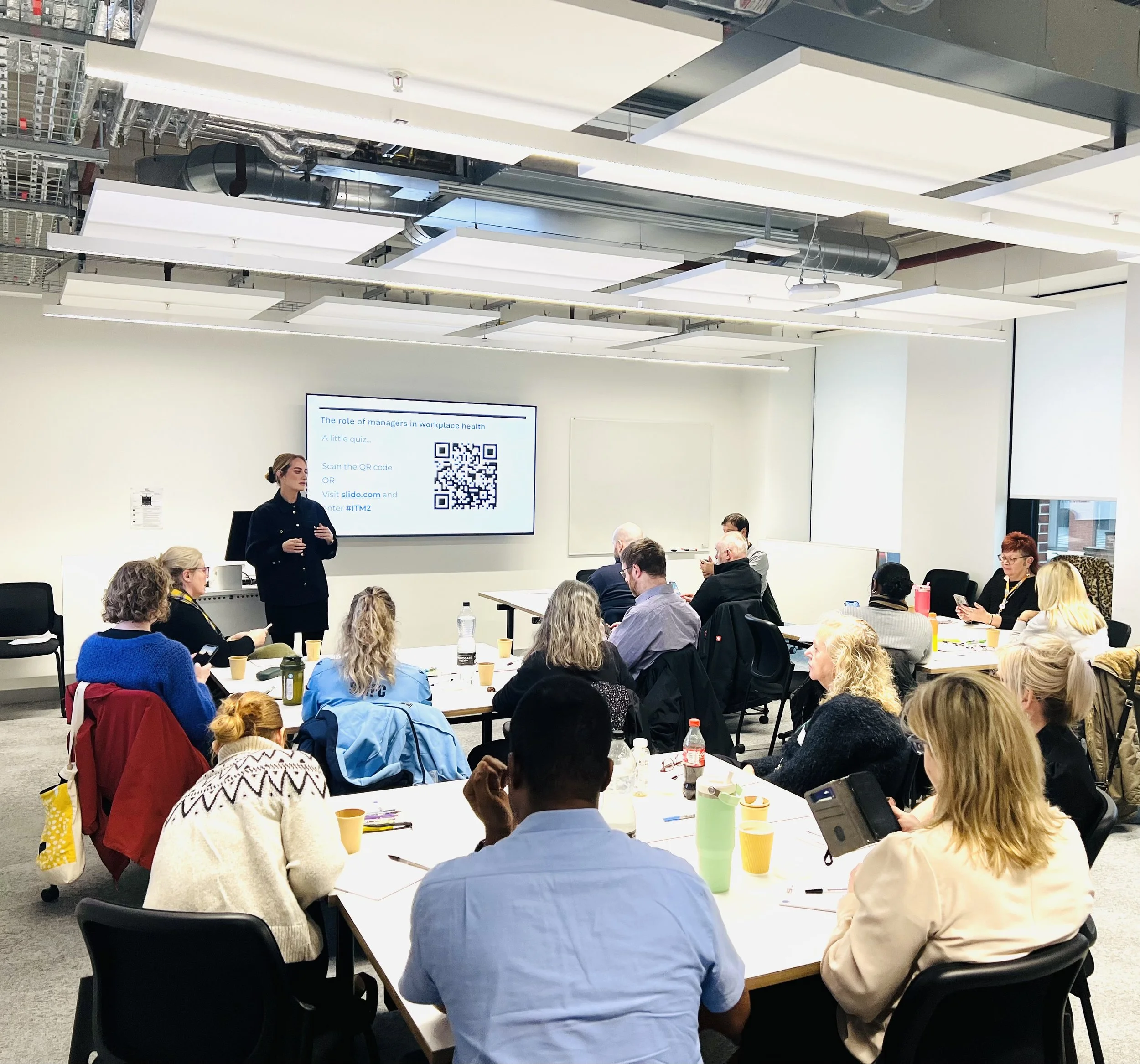
Positive Psychology in the Workplace: A Guide for Line Managers
Positive psychology focuses on what makes people thrive rather than just addressing problems. In the workplace, it emphasises strengths, wellbeing, engagement, and resilience. For line managers, understanding and applying positive psychology can improve team morale, boost productivity, and create a more supportive work environment.

Why Positive Psychology Matters for Line Managers
Line managers are uniquely positioned to influence their team’s wellbeing and motivation. Applying positive psychology principles helps you:
Enhance engagement: Employees who feel recognised and valued are more committed and productive.
Improve resilience: Supporting staff in developing coping strategies reduces stress and burnout.
Strengthen relationships: Positive interactions and trust foster collaboration and communication.
Promote growth: Encouraging strengths and development opportunities helps staff reach their potential.
Core Principles of Positive Psychology
1. Focus on Strengths
Instead of solely addressing weaknesses, identify and build on your team members’ strengths. This approach:
Boosts confidence and job satisfaction.
Increases efficiency by allocating tasks aligned with individual skills.
Encourages a growth mindset where learning is viewed as positive development rather than criticism.
2. Cultivate Gratitude and Recognition
Acknowledging contributions and expressing appreciation can have a significant impact on morale. Practical steps include:
Regularly recognising achievements in team meetings.
Offering constructive, strengths-based feedback.
Celebrating both small wins and major milestones.
3. Encourage Autonomy and Purpose
Employees are more engaged when they understand the value of their work and have control over how they complete tasks. As a line manager, you can:
Clarify team goals and explain how each role contributes.
Provide opportunities for decision-making and creative input.
Align tasks with individual strengths and interests where possible.
4. Build Resilience and Wellbeing
Supporting staff in managing stress and setbacks improves long-term performance. Line managers can:
Promote open discussions about workload and wellbeing.
Encourage breaks and flexible working where possible.
Model resilience by demonstrating calm, solution-focused behaviour.
5. Foster Positive Relationships
A workplace built on trust, respect, and collaboration improves both wellbeing and productivity. Consider:
Facilitating team-building activities.
Encouraging peer recognition and mutual support.
Addressing conflicts promptly and fairly.
Practical Strategies for Managers
Applying positive psychology doesn’t require major organisational changes. Small, consistent actions can have a big impact:
Start meetings with a “positive update” – a moment to share achievements or successes.
Schedule one-to-one check-ins focused on strengths, career goals, and wellbeing.
Encourage peer-to-peer recognition programmes.
Use appreciative inquiry: focus discussions on what’s working well and how to build on it.
Set clear, achievable goals that challenge without overwhelming.
The Benefits for Teams and Organisations
Research shows that teams with managers who apply positive psychology principles experience:
Higher job satisfaction and engagement.
Reduced absenteeism and staff turnover.
Better collaboration and communication.
Increased creativity and problem-solving abilities.
By embedding these principles in your management style, you create a workplace culture where employees thrive and perform at their best.
Further Resources
Chartered Institute of Personnel and Development (CIPD):www.cipd.co.uk – guidance on wellbeing and positive workplace cultures.
Positive Psychology Centre: www.positivepsychology.org.uk – research and practical tools for workplace application.
Books:“Flourish” by Martin Seligman; “The Happiness Advantage” by Shawn Achor.
Psychological Safety Questionnaire for managers
This self-report questionnaire has been designed to explore your team's psychological safety at
work. It has been adapted from a widely recognised, researched and validated scale: Edmondson’s Team Psychological Safety Scale (1999; updated usage in 2014). This is not a formal diagnostic of psychological safety, rather it is intended as an exploratory tool for self-reflection and discussion.
Psychological Safety Questionnaire.pdf
Conclusion
Positive psychology is a powerful tool for line managers. By focusing on strengths, wellbeing, engagement, and relationships, managers can foster a workplace where individuals and teams thrive. Applying these principles consistently creates lasting benefits for both staff and the organisation as a whole.