
musculoskeletal health at work
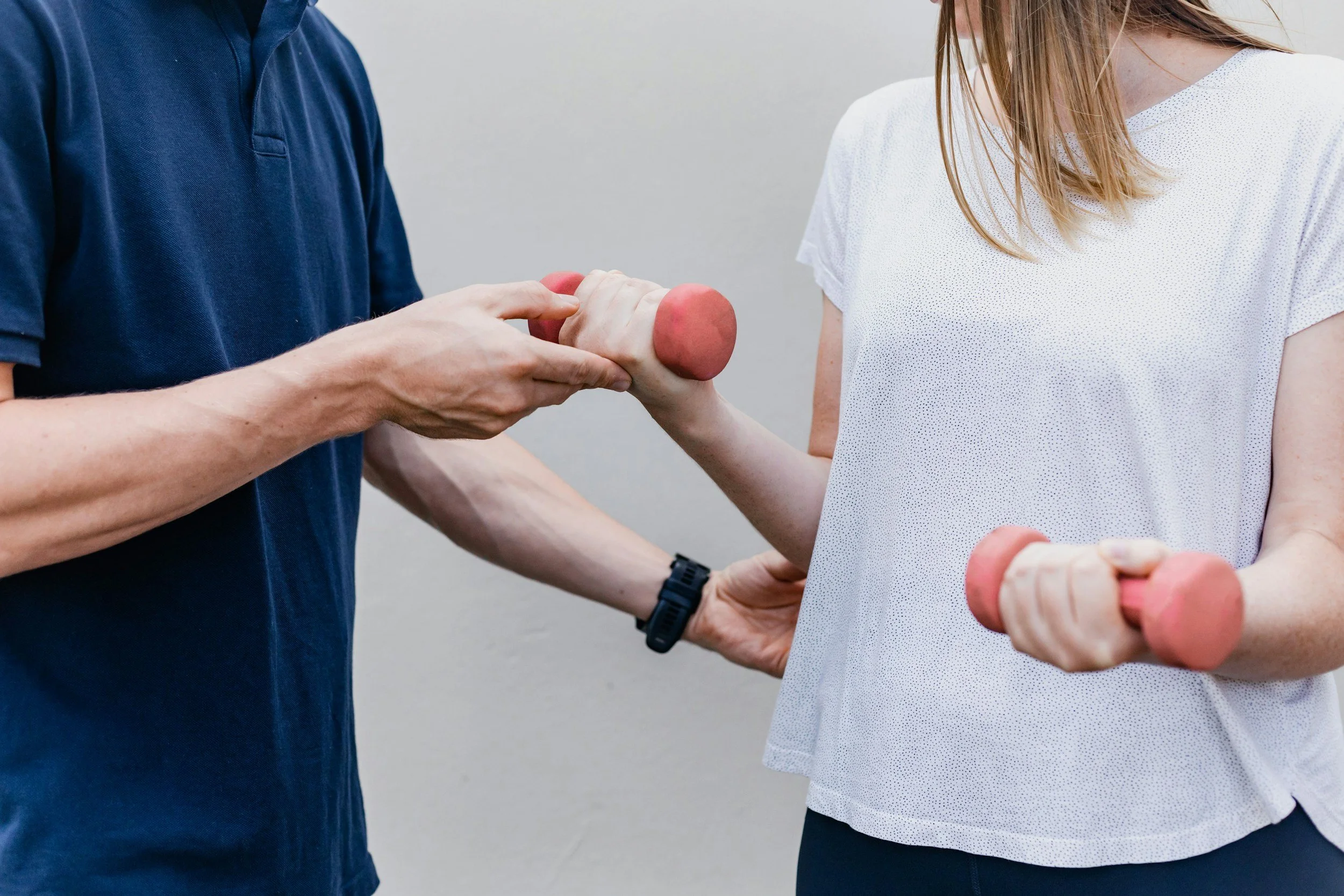
Musculoskeletal disorders at work
Employers must protect workers from the risks of musculoskeletal disorders (MSDs) being caused or made worse by work. MSDs include injuries and conditions of the back, joints and limbs.
Risks of developing MSDs should be prevented or minimised. Not all MSDs can be prevented, so early reporting of symptoms, proper treatment and suitable rehabilitation are essential.
Causes of back pain at work
Some work tasks can cause back pain or make existing pain worse:
Lifting or moving heavy or bulky loads, especially with awkward posture
Repetitive tasks, such as packing
Being in an awkward posture, especially for a long time
Working beyond capability or when physically overtired
Sitting for long periods in poor posture, e.g. at a screen or driving
A previous episode of back pain increases the risk, particularly if it was recent.
How the work is organised (e.g. high workloads, tight deadlines, lack of control over work and working methods) can also have an impact.
Manage the risk of back pain
You can reduce the risk of back pain in your workplace:
Identify what activities can cause back pain. Can they be avoided / changed?
Ask your workers to suggest changes
Think about how to make jobs physically easier, e.g. moving loads on wheels
Make sure controls, e.g. lifting aids, are available, used and maintained
Look for signs of back pain among your workers which suggest your controls are not working
Encourage early reporting of problems to you or their worker representative
Back pain usually recovers completely if recognised early and treated appropriately.
Upper Limb Disorders
Upper limb disorders include aches and pains in the shoulders, arms, wrists, hands and fingers, as well as in the neck.
Causes of upper limb disorders at work.
Upper limb disorders are more common in tasks at work that involve:
Prolonged repetitive work, particularly using the same hand or arm action
Uncomfortable or awkward working postures
Sustained or excessive force
Carrying out a task for a long time without suitable rest breaks
Working with hand-held power tools for long periods of time
Other things that may have an influence are:
A poor working environment (including temperature and lighting)
A poorly managed work organisation (including workload, job demands and lack of breaks)
Individual differences and vulnerability
More than one risk factor in the work
Carpal tunnel syndrome (CTS), tendonitis or tenosynovitis and hand-arm vibration syndrome (HAVS) are reportable under RIDDOR [see Health and Safety at Work section]
Prevention of upper limb disorders at work:
Do a risk assessment
Protect your workers from injury, for example from repetitive work
Protect your workers from the health risks of working with display screen equipment, such as PCs, laptops, tablets and smartphones
Protect your workers from exposure to vibration, e.g. from hand-held tools
Consult and involve workers, making sure they know how to report injuries.
Psychosocial risk factors
As well as considering the physical aspects of the work, take account of psychosocial risk factors. These include high workloads, tight deadlines and lack of control over the work and working methods, which may make people more likely to develop and report ULDs. HSE's simple filter (PDF) helps identify jobs with higher potential risks that are worth looking at in more detail. For more detailed assessment, the Assessment of Repetitive Tasks tool (ART) helps assess individual risk factors and prioritise control measures. Use HSE's ULDs risk assessment worksheets (PDF) from Upper limb disorders in the workplace to carry out a more detailed assessment than the ART tool provides.
If items weigh more than 8 kg and the task involves manual handling, consider using the MAC tool (Manual handling assessment charts).
Return to work after an MSK
When a worker has been off work following an MSK, they will usually need a gradual (phased) return to pre-injury tasks, so muscles build up strength and stamina. This may be straightforward to arrange, or occupational health advice may be helpful after longer absences or with higher risk tasks.